
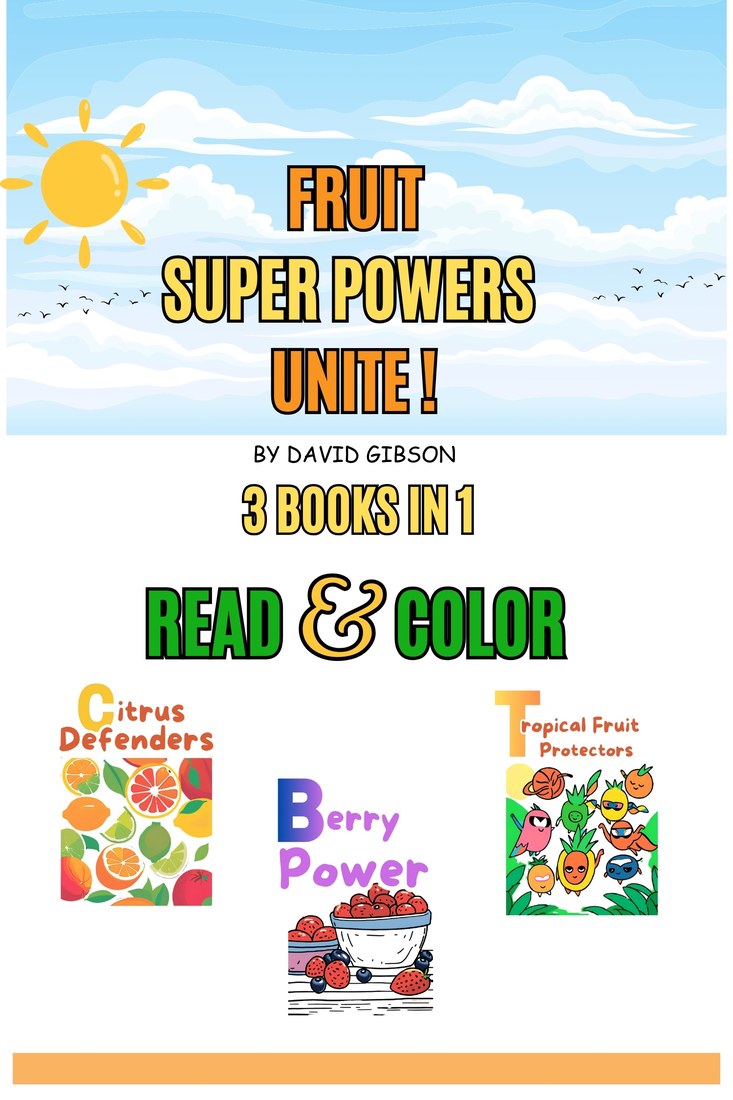
Read & Color · 3 books in 1
Fruit Super Powers Unite!
Three rhymes about what fruit does for your body, each with its own coloring pages.
By David D. Gibson Sr.
- Ages
- Ages 4–8 · read together, color solo
- Length
- 76 pages
- Read time
- About 5 minutes per rhyme
- Healthy habits
- Food curiosity
- Coloring
- Read together
About the book
The book names a fruit and says what it does. Blueberries help your brain stay strong, for thinking, learning, all day long. Cranberries fight germs. Bananas bring potassium for muscles. Papaya has enzymes that help digestion. It is nutrition information delivered two rhyming lines at a time, which is a considerably easier way for a four-year-old to take it than being told at the table.
There is no plot and there are no characters. The "super power" of the title is the thing the fruit actually does for a body, and each section is a short rhyme illustrated with bright pictures of children eating what is being described. It reads aloud in a few minutes per section.
After each rhyme come that section’s coloring pages — sixteen full-page line drawings across the book, mostly fruit trees, one fruit to a page, drawn plainly enough for a small child to fill in without help. Because it is also sold as a digital download, a favorite page can be printed again as many times as you like.
Inside
What's in it
Citrus Defenders
Oranges, lemons and limes, and the vitamin C in them — for a healthy day, to keep colds and sniffles far away. Six coloring pages follow it: orange, lemon, lime, grapefruit, tangerine and pomelo trees.
Berry Power
Four berries, each with its own job. Blueberries for thinking and learning, strawberries for the heart, raspberries for fiber and digestion, cranberries for fighting off germs. Four coloring pages follow.
Tropical Fruit Protectors
The longest of the three. Mango for skin, papaya for digestion, pineapple for colds, banana for muscles, then kiwi, guava and passion fruit. Six coloring pages close the book out.
The coloring pages
Sixteen in all, grouped after each rhyme rather than scattered through it. They are plain line drawings, mostly fruit trees with one fruit to a page. Crayons, pencils and markers all work; if you are printing at home, standard letter or A4 paper is fine.
Questions to ask after reading
You do not need all of these, and you should not work through them like a worksheet — a book that turns into a quiz stops getting requested. Pick one. The conversation it starts is worth more than the answer.
- Which fruit in the book would you most want to be, and why that one?
- Blueberries are for thinking and bananas are for muscles. Which super power would you want today?
- Can you remember what citrus does without looking back at the page?
- Pick a fruit you have never tried. What do you think it might do for you?
- Which page do you want to color first — and what colors are you going to break the rules with?
Notes for the grown-up reading it
How to use it if you are trying to widen a narrow diet
Don't pair the book with a plate. Children who are cautious about food read a bowl of cut fruit arriving alongside the book as a negotiation, and the book stops being fun. It works better as a slow burn: read a rhyme, color its pages, and let the actual fruit turn up separately days later with no reference back to the book. Curiosity survives when it isn't being cashed in.
Printing it
The download is a PDF. Print the pages you want rather than the whole thing — most families end up with a small stack of favorites rather than a bound copy. If you have more than one child, print duplicates of the popular pages before anyone sees them.
A note on the science
The book makes real nutrition claims in simplified rhyming form — vitamin C in citrus, potassium in bananas, fiber in raspberries, enzymes in papaya. They are broadly true and deliberately uncomplicated, and they are meant to make a child curious rather than to teach them nutrition. For anything to do with your own child's diet, your pediatrician is the right source.
The article that goes with it
Every book here has one piece of writing alongside it, about the real problem the story is circling — no lecture, and you do not need the book to get something out of it.
Healthy habits · 5 min readGetting a cautious child to try fruit: what actually helpsPressure backfires, bribery backfires harder. What tends to work is slower and considerably less satisfying.Read the articleMore by David D. Gibson Sr.
About the author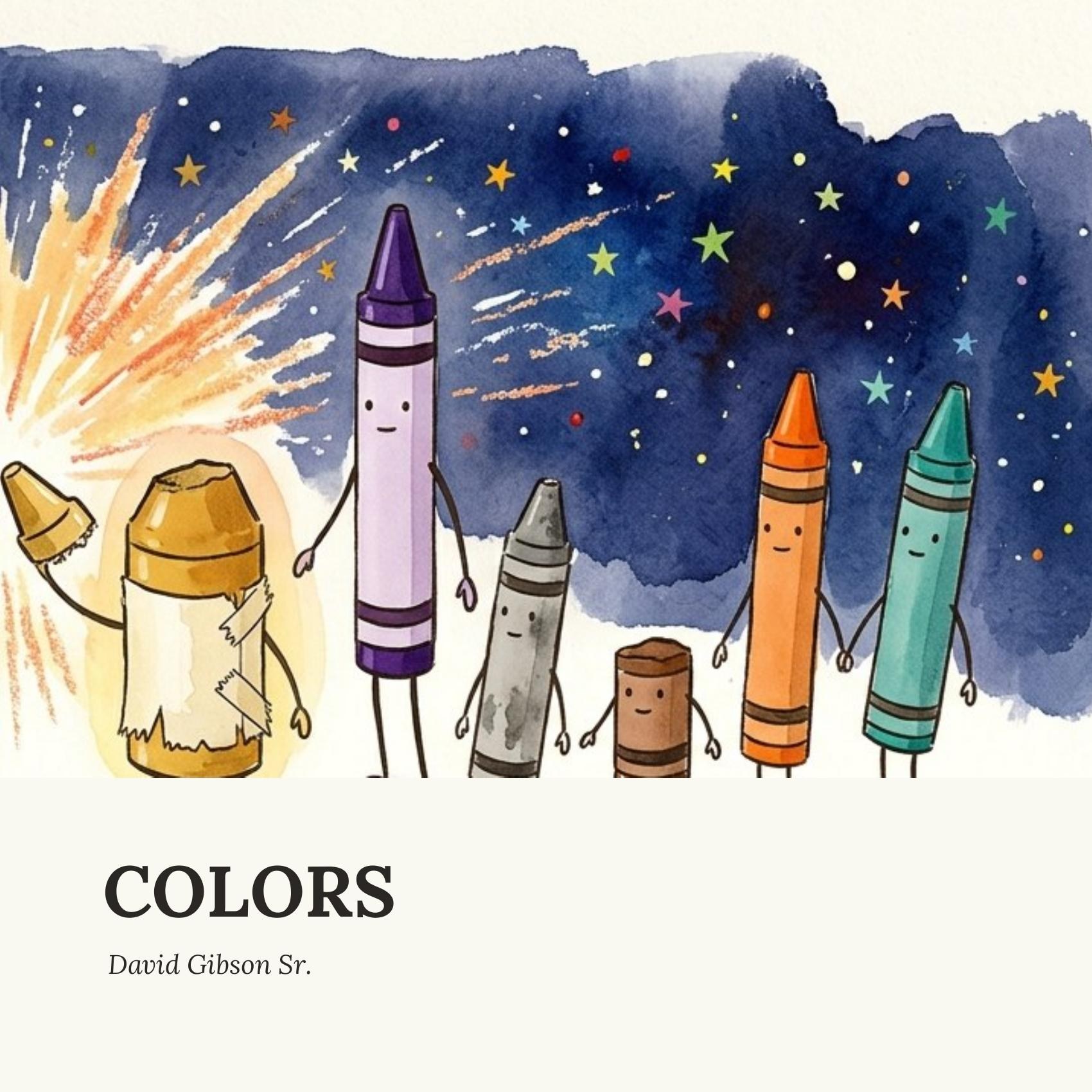
COLORS
A rhyming picture book about why difference exists at all — drawn by the crayons themselves.
Read more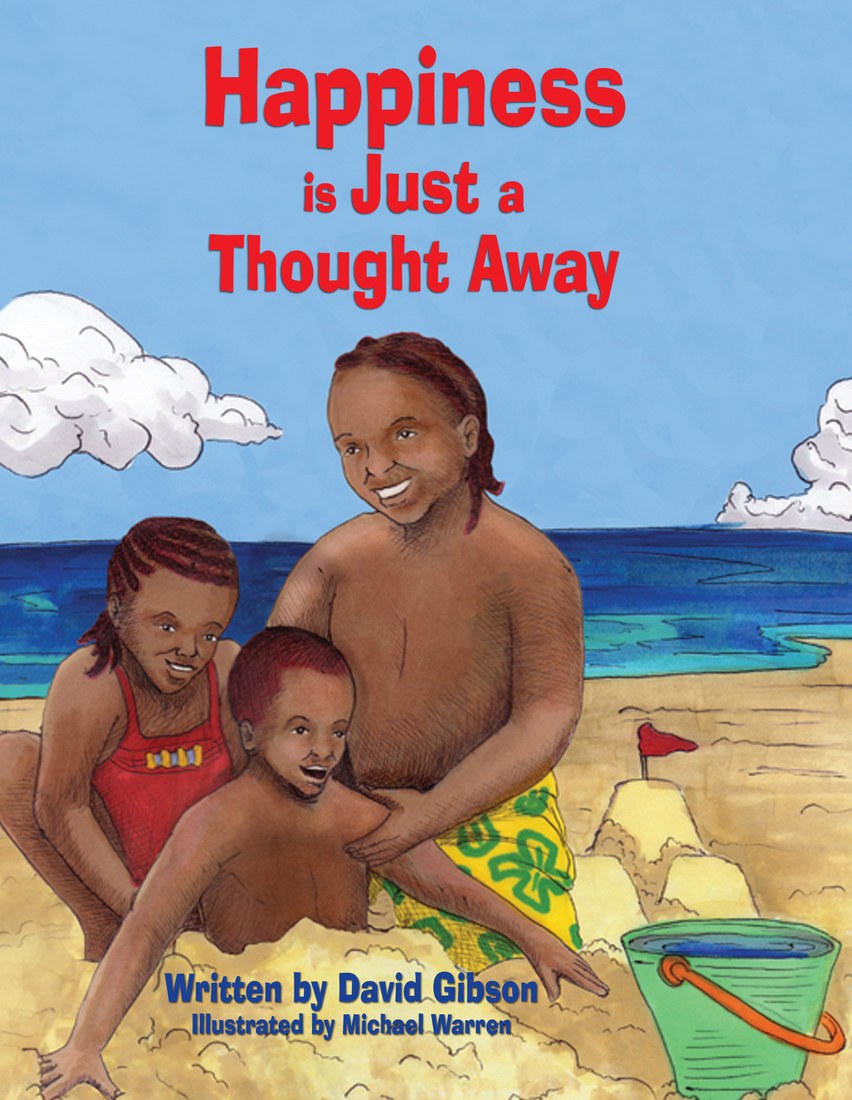
Happiness is Just a Thought Away
Ten questions about things nobody likes, and ten answers that turn them over.
Read more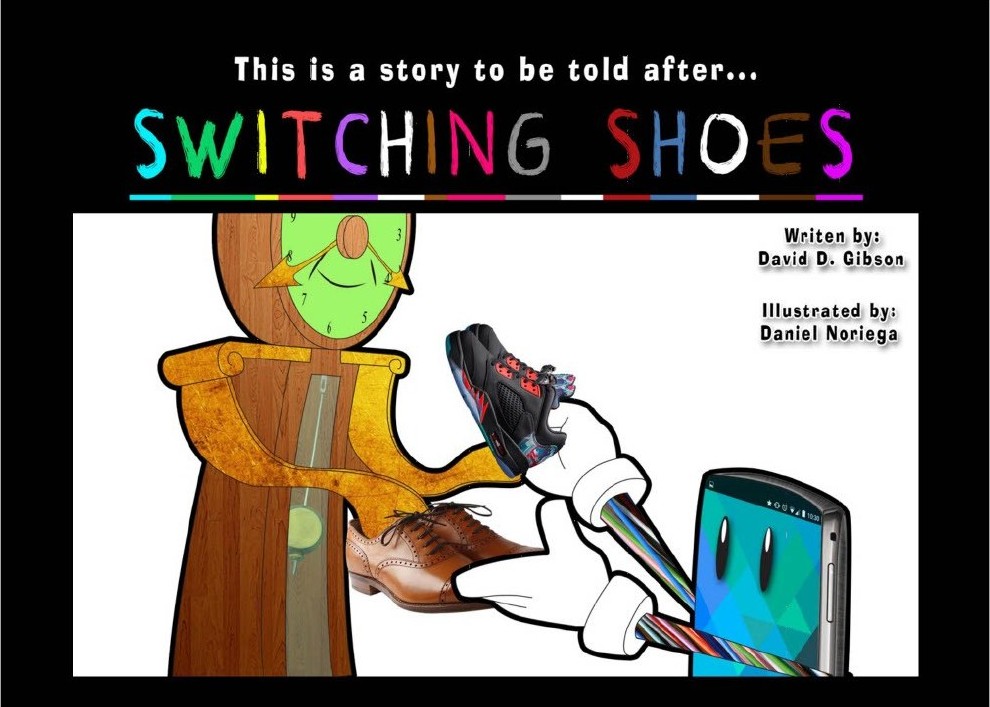
Switching Shoes
This is a story to be told after… switching shoes.
Read more