
Illustrated picture book
Switching Shoes
This is a story to be told after… switching shoes.
Written by David D. Gibson Sr. · Illustrated by Daniel Noriega
- Ages
- Ages 4–8 · read aloud
- Length
- 28 pages
- Read time
- About 10 minutes · 4:43 as a narrated video
- ISBNs
- Hardcover 978-0-9969445-1-9Paperback 978-0-9969445-4-0Ebook 978-0-9969445-3-3
- Published by Unforgettable Media, a trade name of Unforgettable Enterprises LLC, South Carolina.
- Perspective
- Growing up
- Listening
- Read aloud
About the book
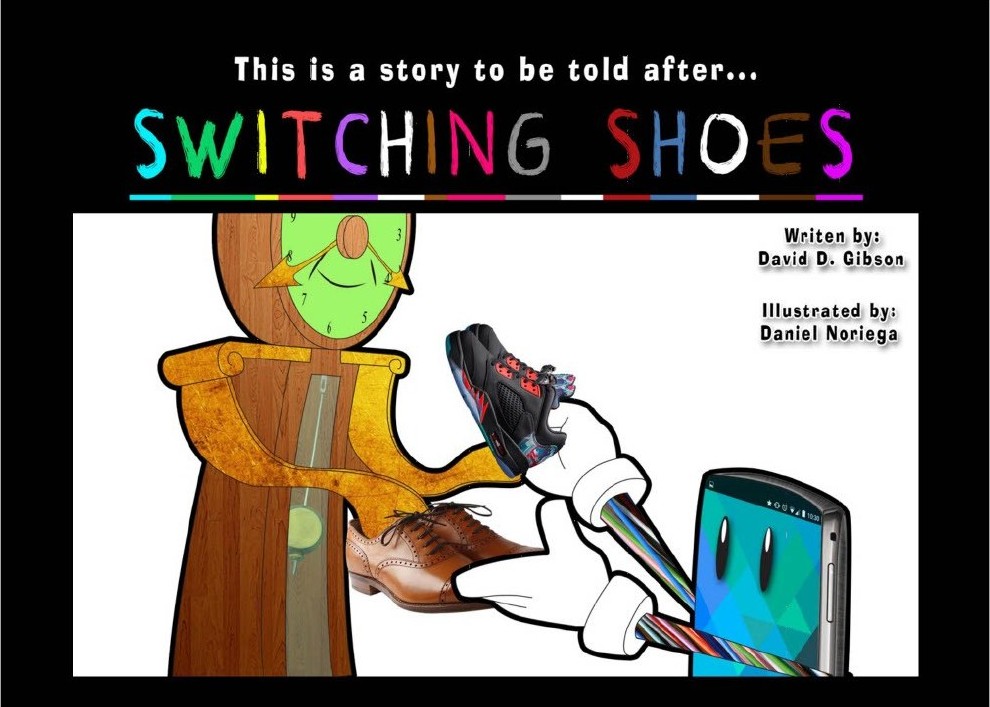
The conceit is in the casting. The old characters are clocks — a grandfather clock, a mantel clock, a pocket watch in a conductor's cap — and the young ones are smartphones. A clock steps up to a microphone on a lit stage, asks for the audience's attention, and the book begins. It is not subtle and it does not need to be; a four-year-old gets it on the first page.
From there the poem alternates. You wish you could drive the car and go wherever you please — but when you're old you wish you could sit back and enjoy the breeze. When you're young you don't want to go to school — when you're old you realize you should have learned everything you could. Playground, bedroom, kitchen, school hallway, the fair, a highway at rush hour. The shoes are literal: the last page is a clock's feet in sneakers beside a phone's feet in dress shoes.
It also exists as a narrated read-along video, four minutes and forty-three seconds long, with the full story read aloud over music. That version has a specific use: car journeys, the twenty minutes before dinner, and the days when the adult in the house does not have a read-aloud left in them. It is the same story, and it counts.
Inside
What's in it
Clocks and phones
Old is a clock, young is a smartphone, and the whole book runs on that one substitution. It lets a child watch an argument between generations without anyone being made the villain of it, because neither side is a person.
The artwork
Daniel Noriega's characters are drawn and dropped into photographed settings — a real park, a real school hallway, a real fairground — which gives the book its particular look. Two lines of text to a page, in large hand-lettered type.
The narrated version
A 4:43 read-along video of the complete story with narration and music, available separately in the store. Useful when reading aloud isn't possible, and popular with early readers who want to follow the words while someone else does the work.
The coloring book
The complete story also exists as a coloring book — not a few bonus pages in the back, but every one of Daniel Noriega's illustrations redrawn as line art across 22 full-page spreads. Available separately in the store, and it works best handed over after a child already knows the story: they slow down on the pages they remember.
Questions to ask after reading
You do not need all of these, and you should not work through them like a worksheet — a book that turns into a quiz stops getting requested. Pick one. The conversation it starts is worth more than the answer.
- The old ones are clocks and the young ones are phones. Why do you think he picked those?
- Which page sounded most like you — one of the young ones, or one of the old ones?
- The book says when you're old you wish you'd learned more at school. Do you believe that?
- What is something about your day that a grown-up would be surprised by?
- If a grown-up switched into your shoes tomorrow, what would you want them to understand?
Notes for the grown-up reading it
It is aimed at both of you
The dedication of the poem is to the young, but every other page is written from the older side, and adults reading it aloud tend to get caught by one line or another. That is the book working. Read it in a calm moment and it becomes a shared reference you can point back to later — 'remember switching shoes?' — rather than something deployed as a rebuke.
It works well in a classroom
The young-and-old structure turns straight into an activity: have each child interview someone at least forty years older than them about one ordinary thing — school, bedtime, getting around — then report back on what was different. Teachers and librarians can contact us about classroom licensing.
Pairing the book with the video
Read the book first if you can. Children who meet the story on the page and then hear it narrated tend to follow along with the text; children who meet it as a video first often treat the book as a repeat. Not a rule, just a pattern worth knowing.
The article that goes with it
Every book here has one piece of writing alongside it, about the real problem the story is circling — no lecture, and you do not need the book to get something out of it.
Raising readers · 6 min readTeaching a five-year-old empathy without giving them a lecture"How would you feel if someone did that to you?" is the right idea asked at the worst possible moment. Here is what to do instead.Read the articleMore by David D. Gibson Sr.
About the author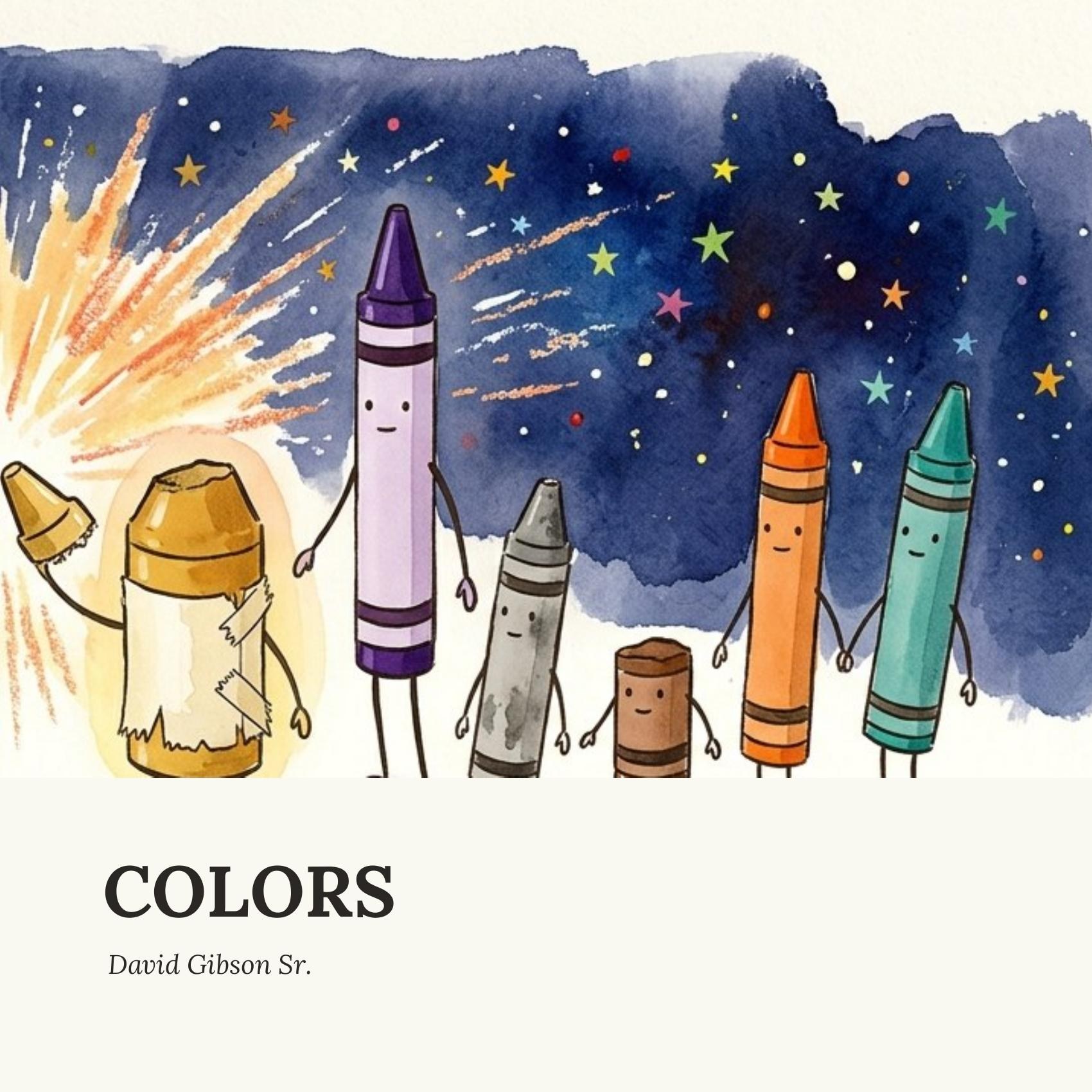
COLORS
A rhyming picture book about why difference exists at all — drawn by the crayons themselves.
Read more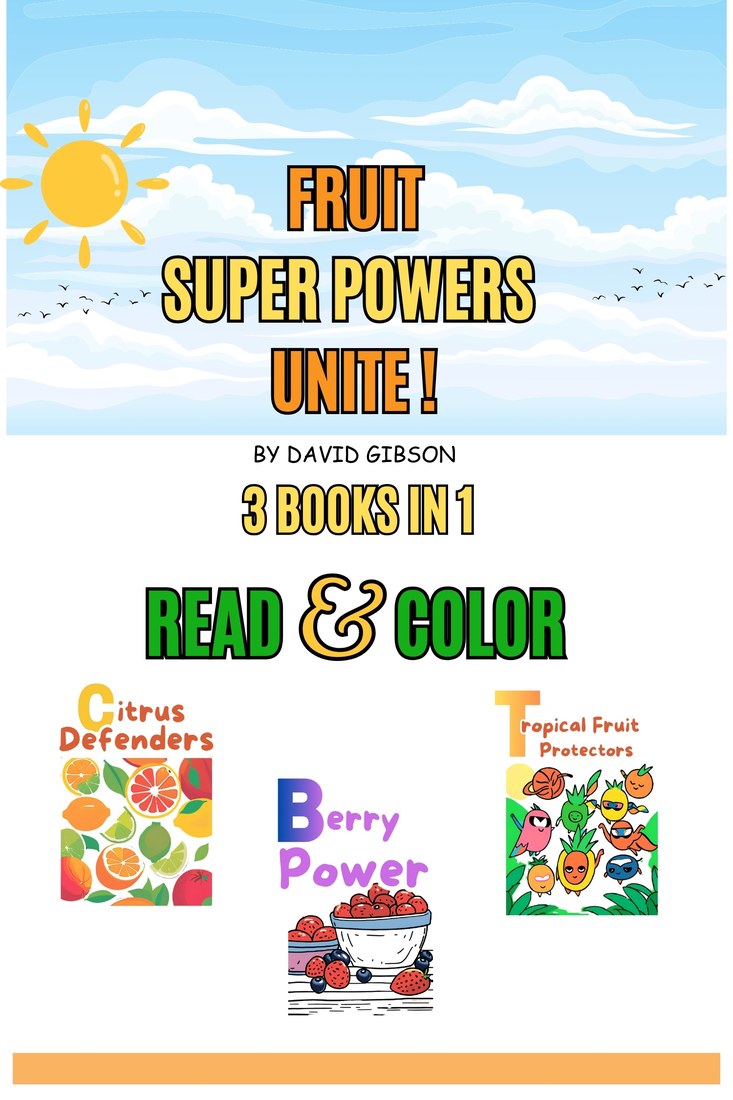
Fruit Super Powers Unite!
Three rhymes about what fruit does for your body, each with its own coloring pages.
Read more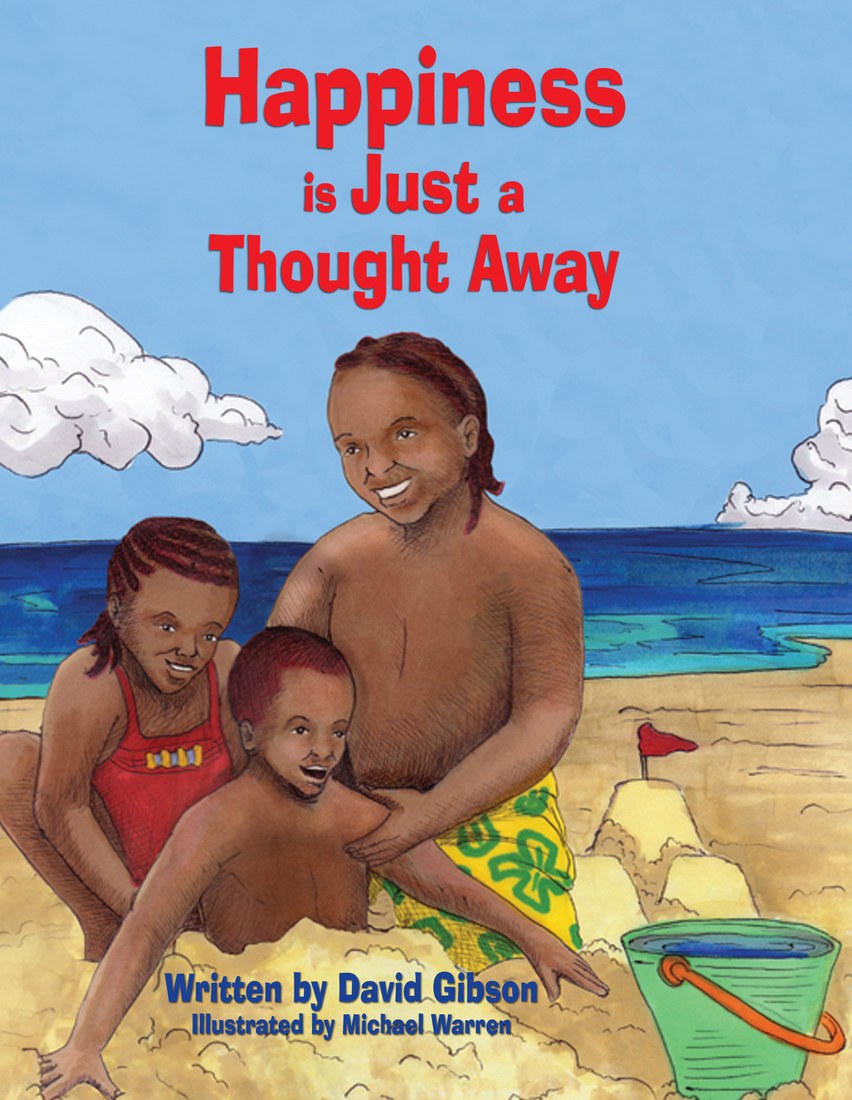
Happiness is Just a Thought Away
Ten questions about things nobody likes, and ten answers that turn them over.
Read more